three minus one

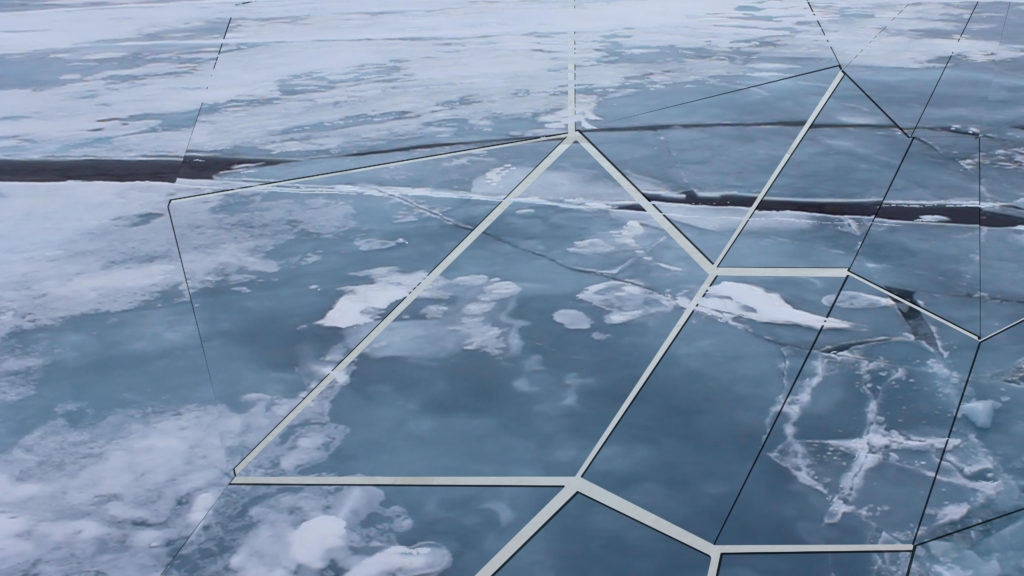
The first three minutes of the sequence involve some four hundred graphic elements extracted from twenty-three fixed digital compositions chosen from those published to date on the site. These elements, of different colours and with rather undefined contours, are placed in 3D space and grouped together independently of their original composition to form objects of various shapes, multicoloured or with a dominant grey, red, blue, yellow, green or violet colour. The different objects move in relation to each other in a kind of more or less organised chaos.

At the beginning of the fourth minute, the chaos evolves towards a certain order and the elements gradually reorganise themselves, passing from 3D objects to various 2D surfaces: first according to the six colours mentioned above; then by reconstituting the twenty-three compositions, thanks to the addition for each of them of the original background and the graphic elements not initially retained.

.


The tempo chosen for the sequence means that the transition from 'chaos' to the original compositions is rapid. The interested visitor will find below a slowed down version of the three stages composing the last minute.

Reorganisation of graphic elements according to different monochrome flat surfaces:


Redistribution of elements from monochrome surfaces to original partial compositions:


For the different compositions successively, add the missing elements and disappear from the composition:

three minus one

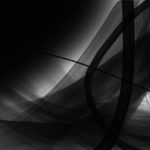
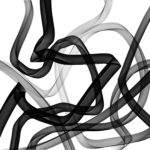
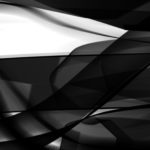
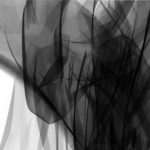
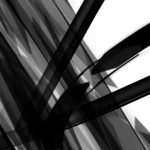
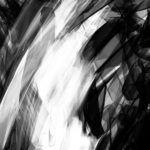
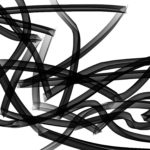
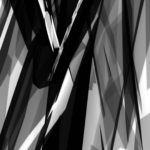
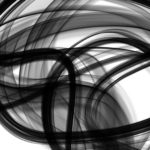
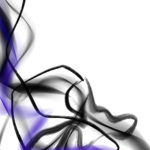
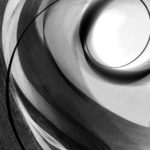
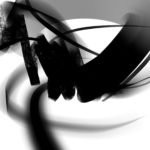
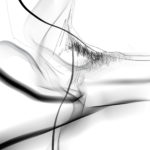
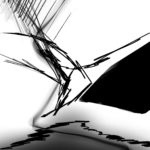
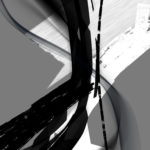
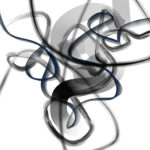
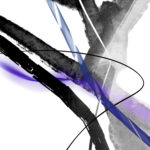
Three snapshots of 'chaos' in 3D at the beginning of the sequence:

The transient reorganisation of elements according to monochrome surfaces:

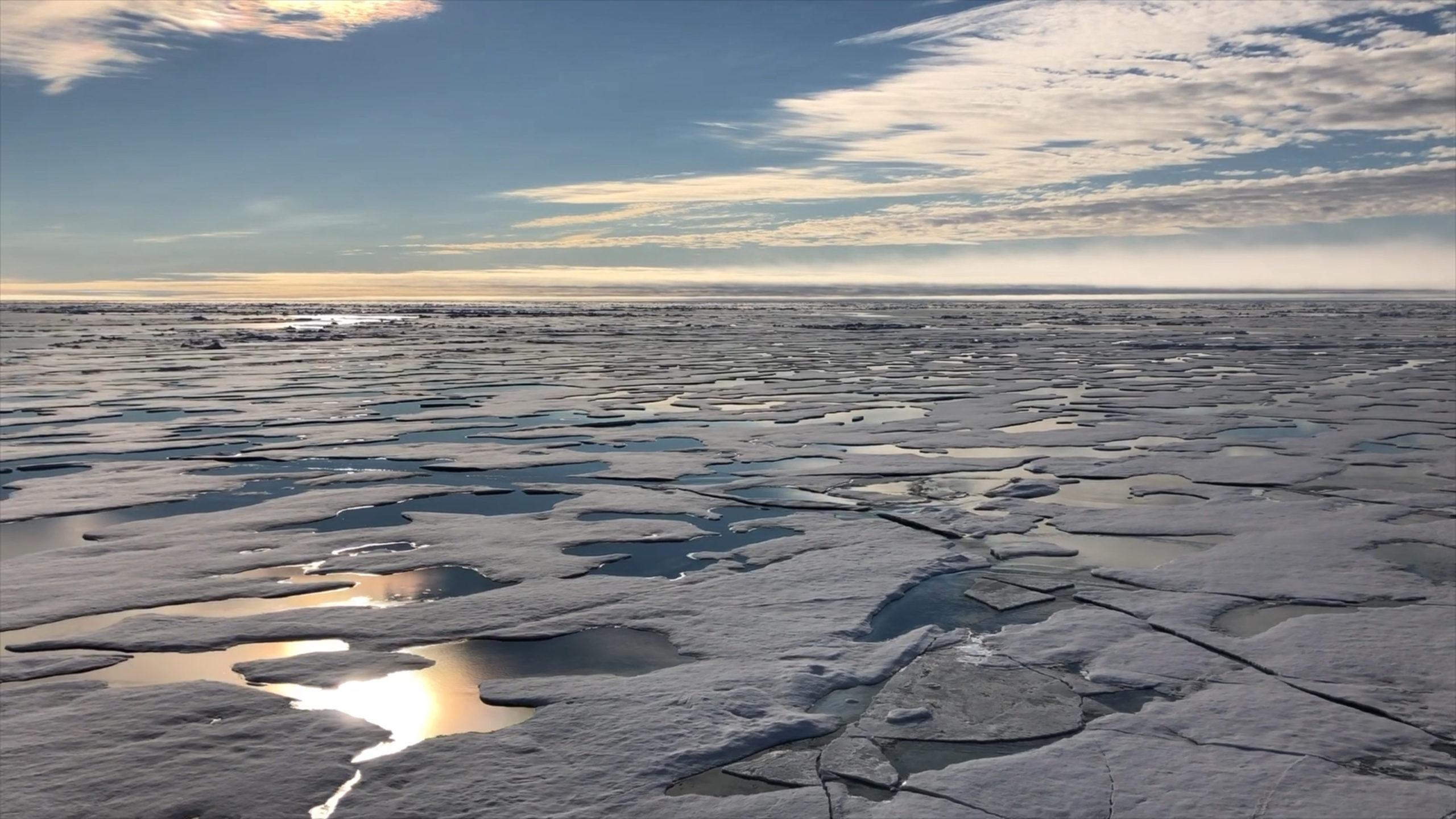
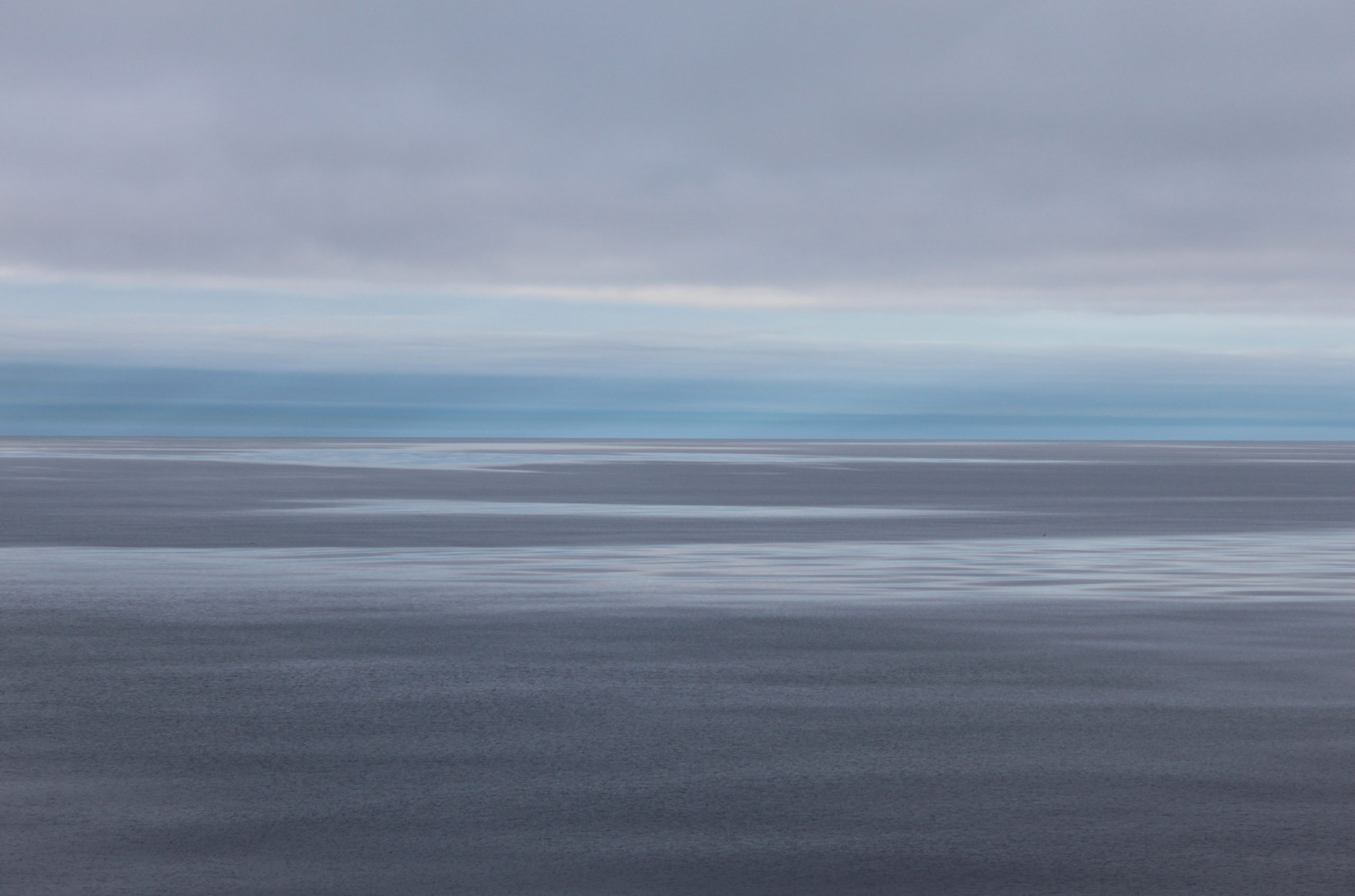
And an example of the final reconstruction of the original compositions:


hatching

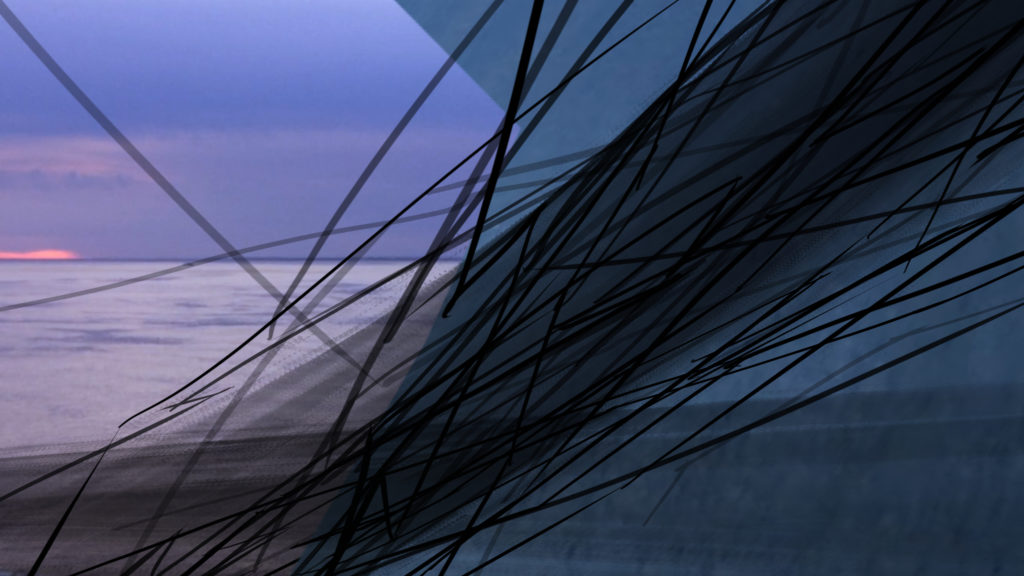
first movement: at the very beginning, a dive towards an immaculate surface which will quickly be crossed out by black or blue pencil lines.

second movement: a mixture of fine lines, blue hatching and light rays.

third movement: a black band with white stripes is added to the black and blue hatching.

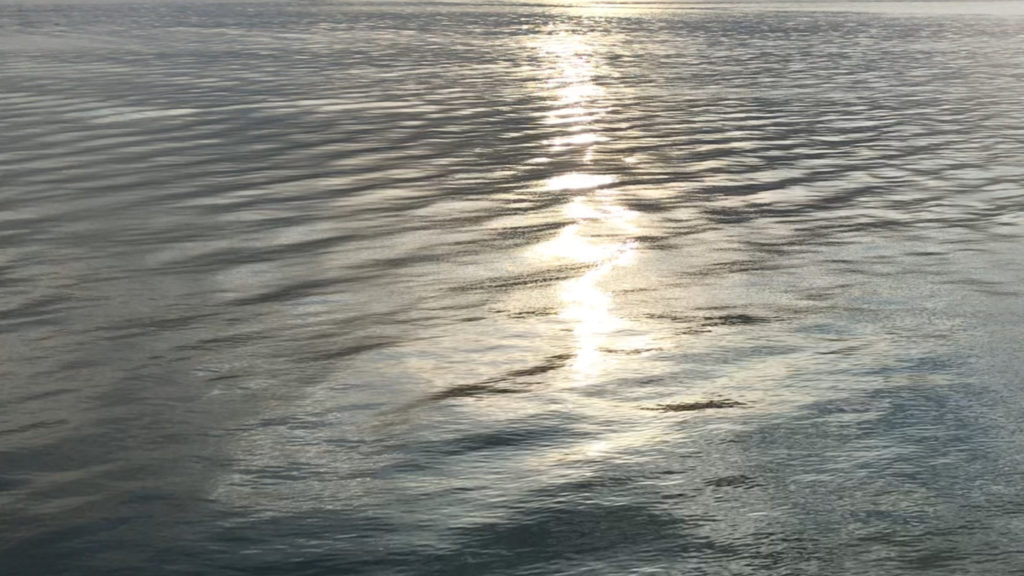
fourth movement: with the exception of the final flight towards the firmament, the movement is based entirely on one of the motifs appearing in the previous sequence 'calm sea and happy voyage'. In its flat version, this pattern is the result of the superimposition of small elementary hatchings; differentiated movements of these elements in space, in terms of position and orientation, allow the construction of 3D objects around or through which the camera can move under variable lighting. Originally black, some hatchings are sometimes coloured grey or blue.


hatching

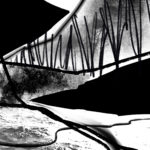
A snapshot of the first movement:

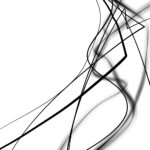
The fine lines appearing in the second movement:

In the same movement, fine lines mingle with blue hatching and light rays:

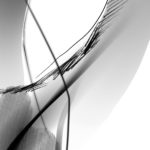
Another snapshot from the third movement:

The plane pattern used as a basis for the fourth movement and resulting from the superimposition of the elementary hatchings, here on a cloud background:

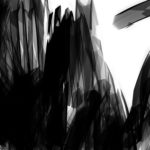
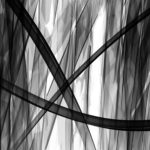
Two views, from different angles, of the same 3D object obtained by destructuring the plane pattern:

Social media & sharing icons powered by UltimatelySocial