Water, again and again ... and a rather unusual animal ending in my sequences ...


Water, again and again ... and a rather unusual animal ending in my sequences ...
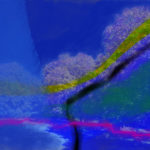
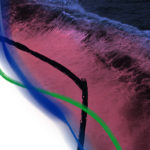
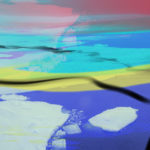
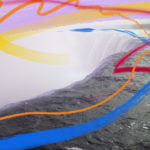
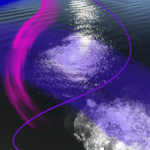
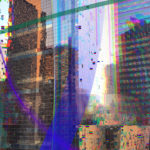
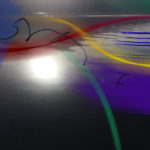
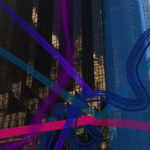
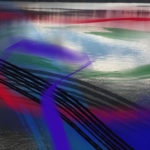
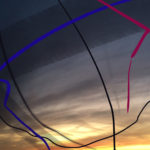
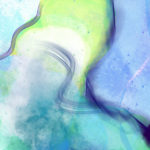
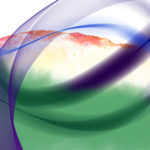
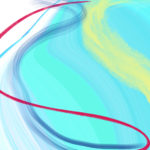
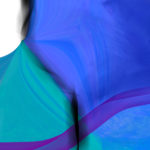
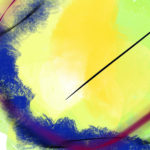
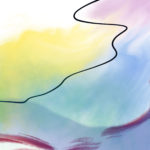
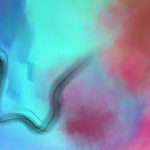
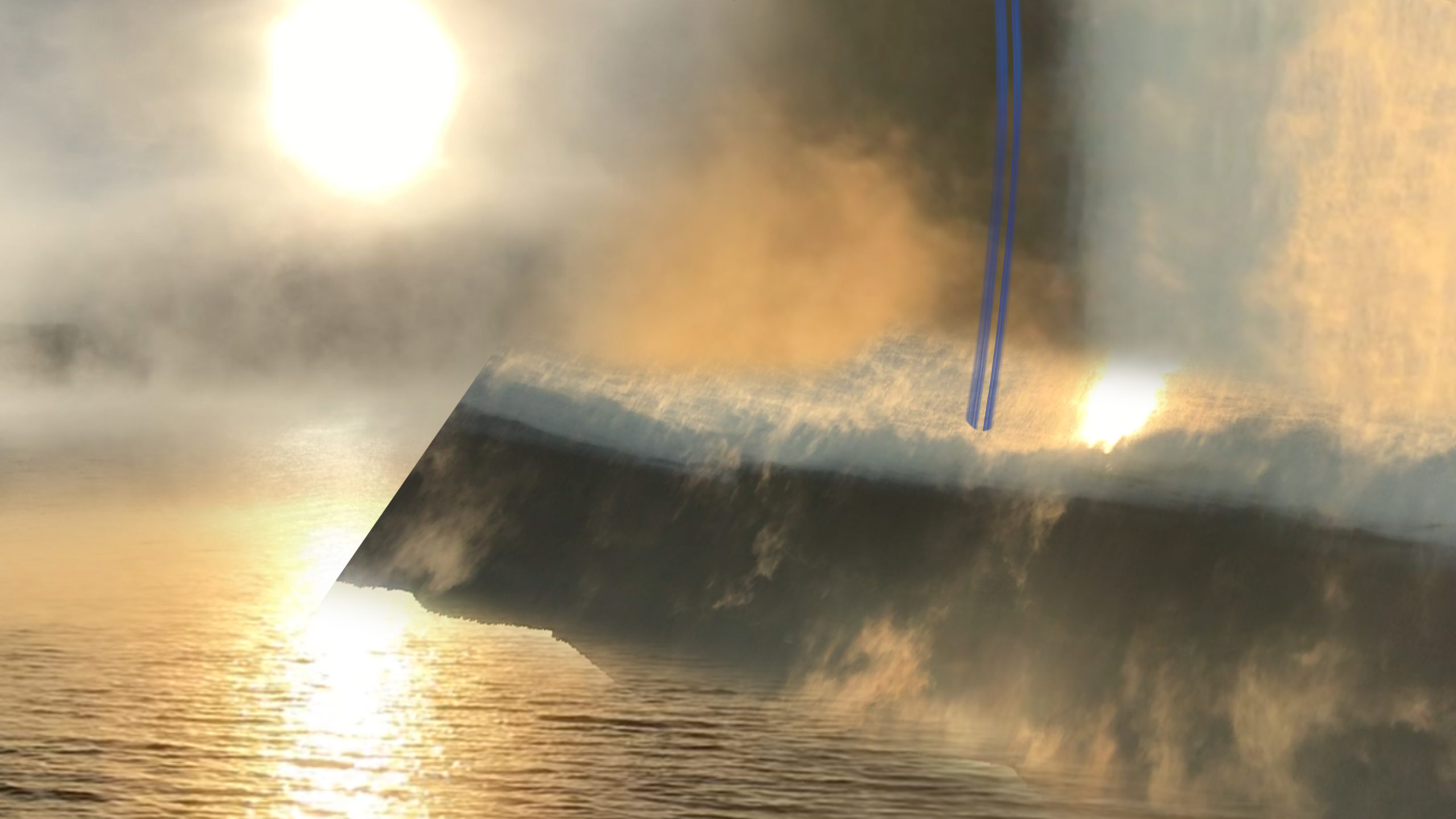
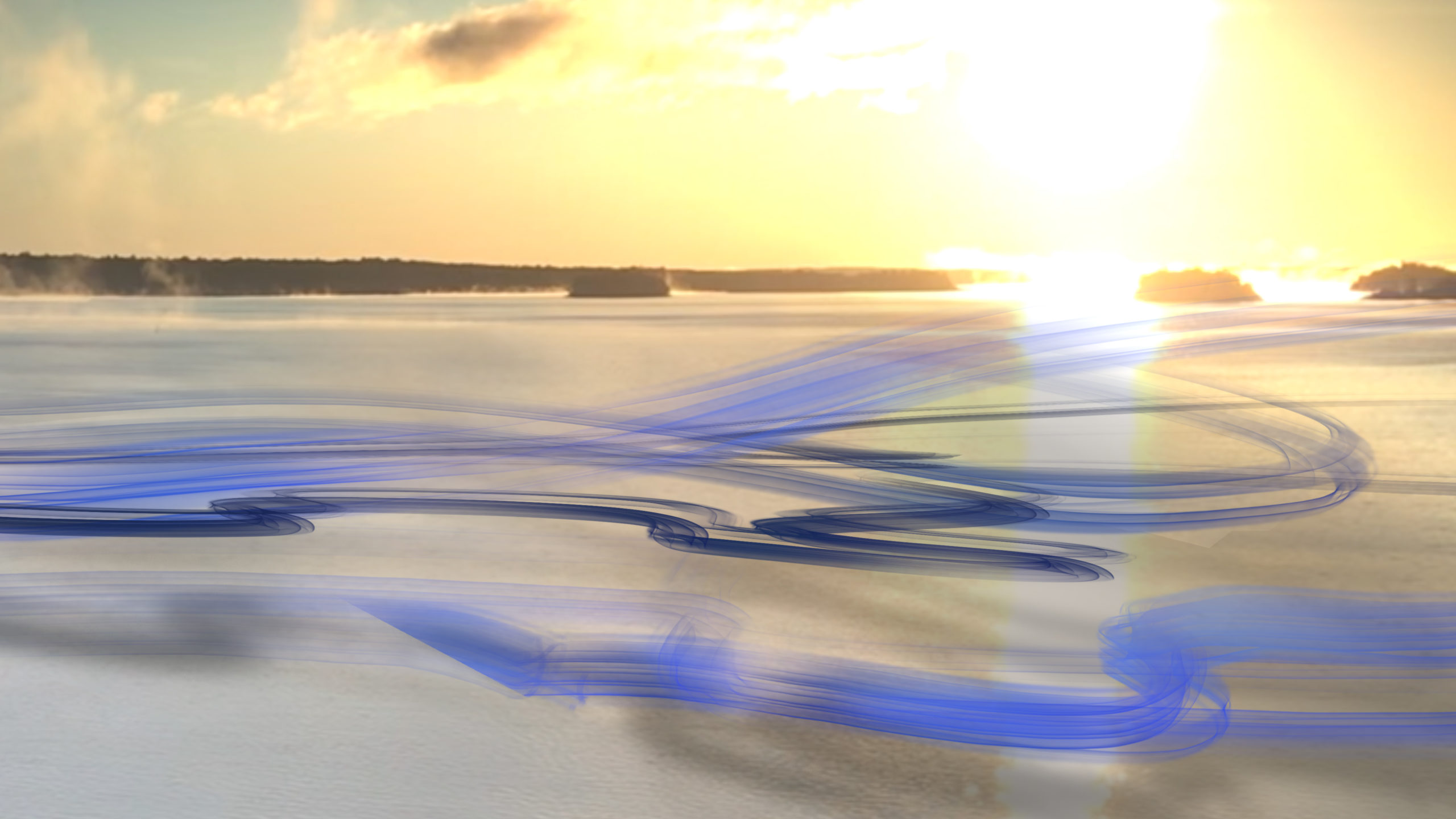
Three snapshots of the sequence:
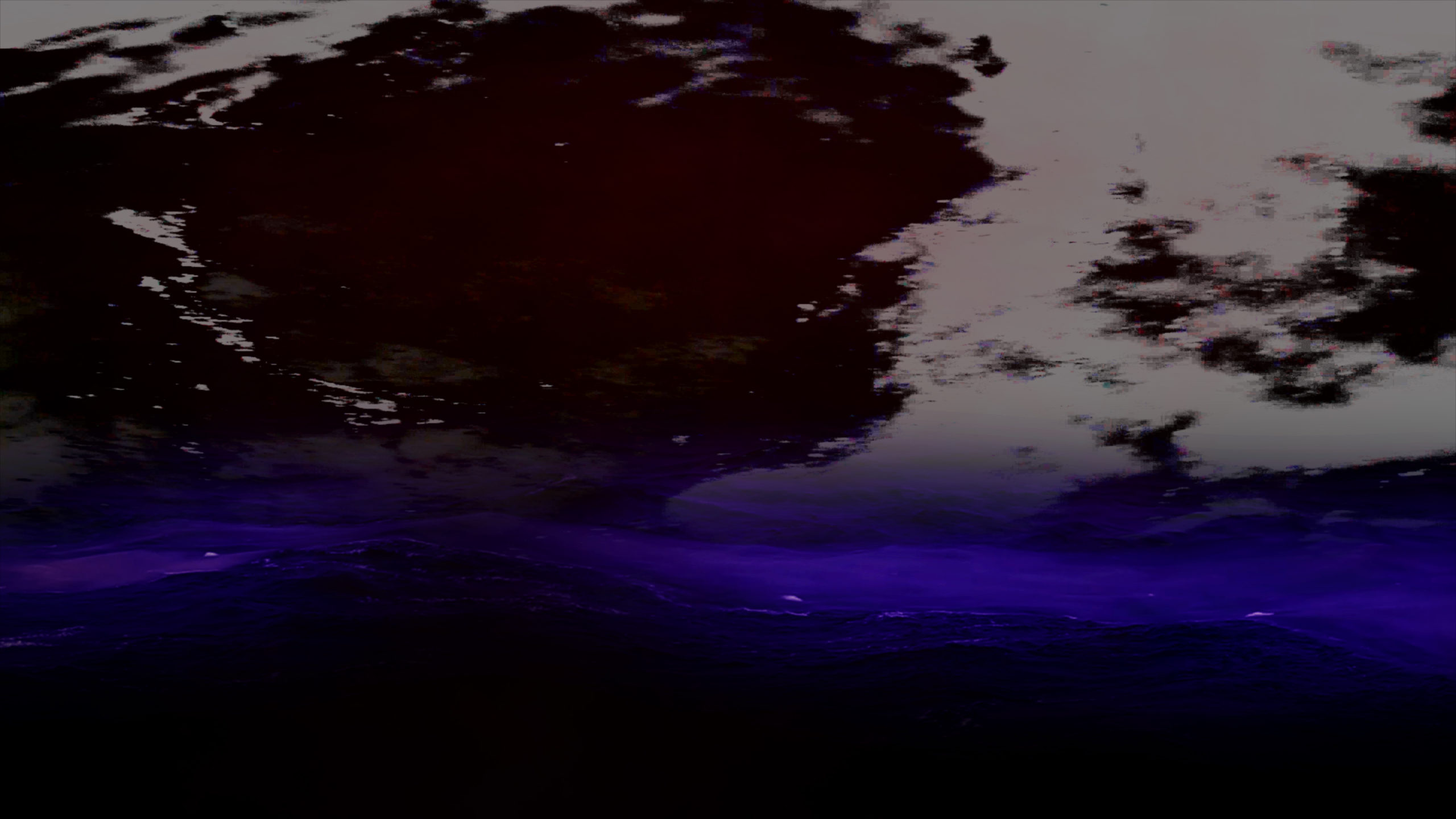
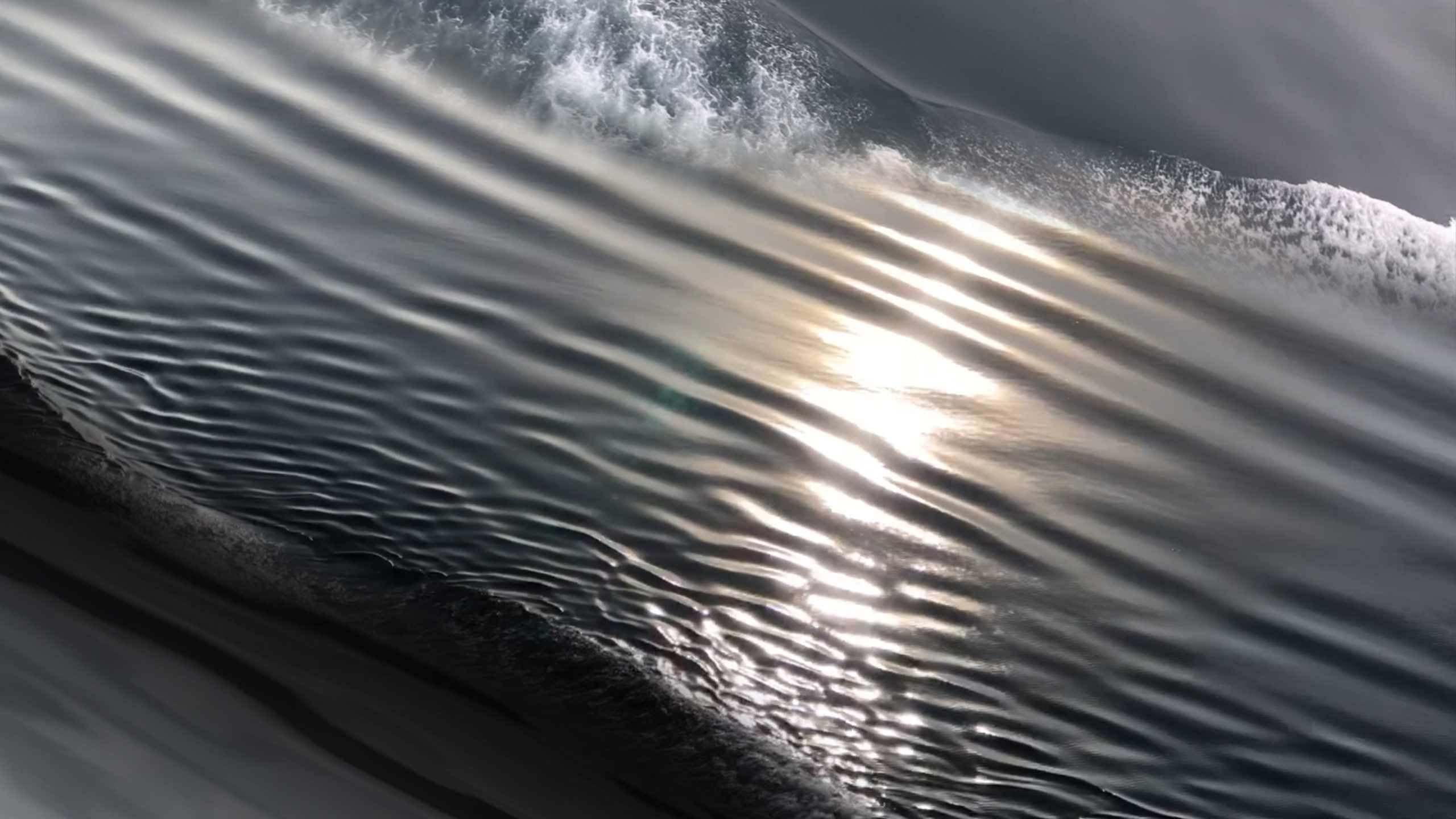
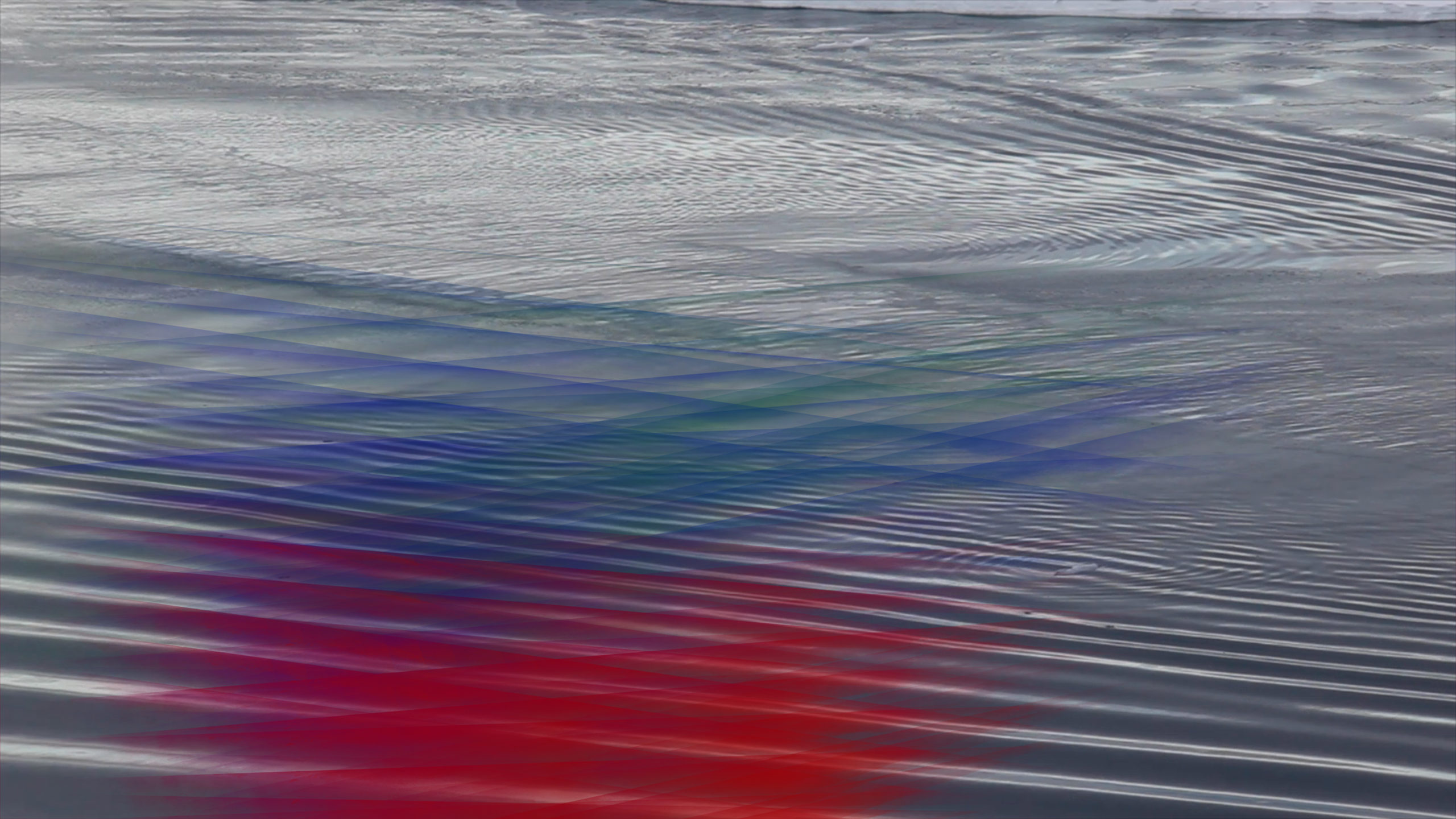
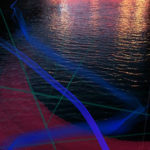
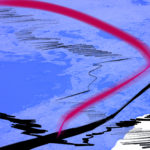
After "movements", a rather agitated sequence based exclusively on digital drawings, here is a more contemplative sequence, essentially using real shots of various bodies of water (once again, but fresh water this time...): Lake Huron and Lake Massawippi in Canada, Hudson River in the USA.

Three snapshots of the sequence:
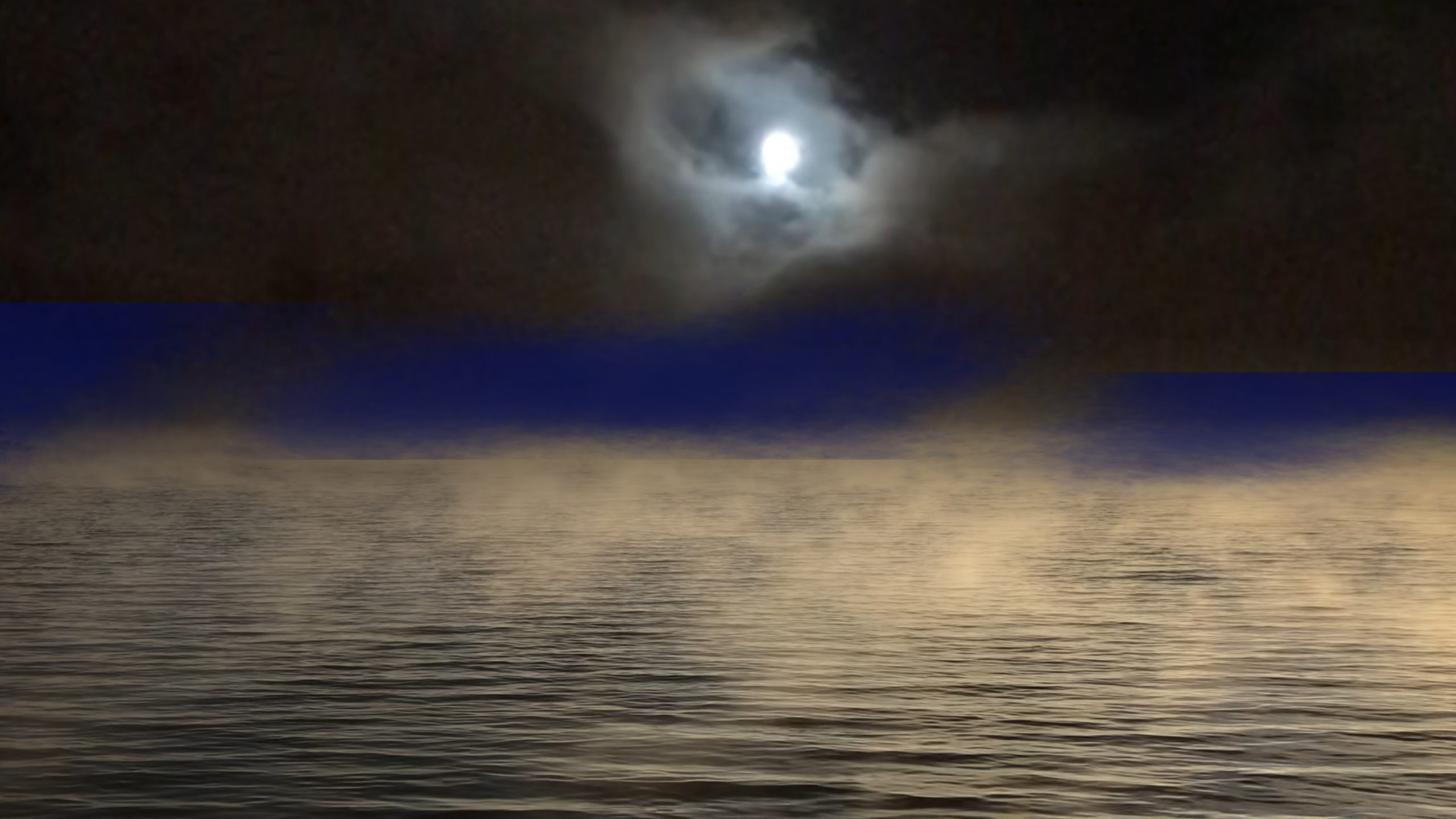
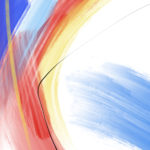
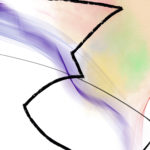
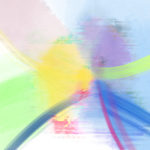
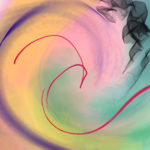
A sequence in three movements, all using the same graphic motifs.
Like all those posted previously, the sequence has been designed without sound accompaniment and is presented as such above.
But when I was composing this sequence, as with so many others, I unconsciously had in mind the musical creations that are dear to me, first and foremost those of the two great composers of the late twentieth century, Henri Dutilleux and Pierre Boulez.
Exceptionally, the link below leads to a version of the sequence enhanced by extracts from Tout Un Monde Lointain and Métaboles by Henri Dutilleux.

Three snapshots of the sequence:
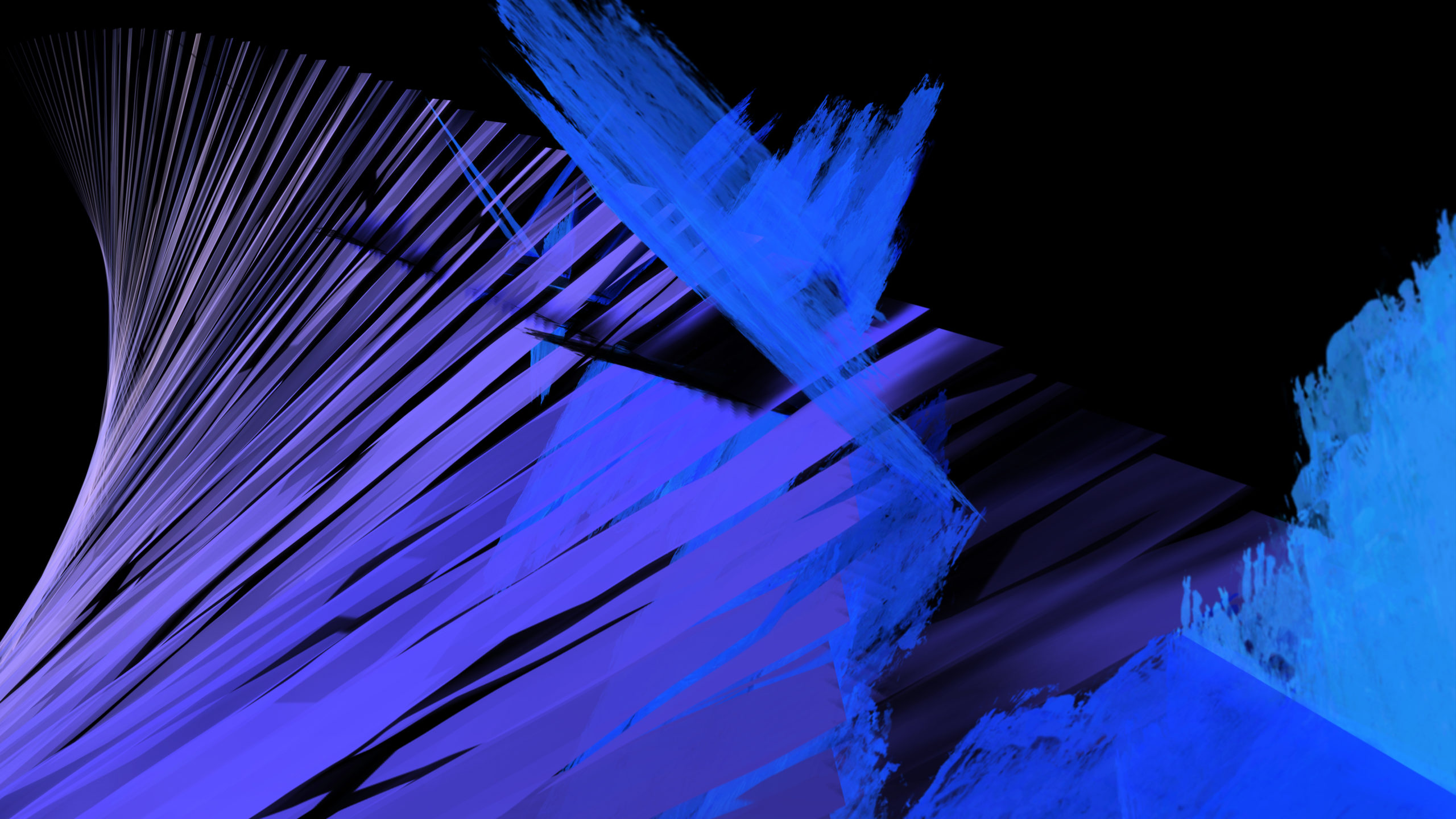
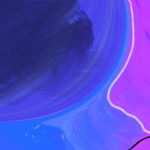
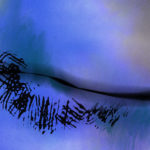
Fine blue curves, glows of all colors and the mirror of the waters.
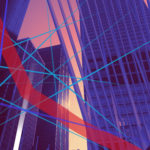
Various snapshots of the sequence :

Compositions that combine drawn motifs and reworked real-life shots.