Category: videos

movements

A sequence in three movements, all using the same graphic motifs.


Like all those posted previously, the sequence has been designed without sound accompaniment and is presented as such above.

But when I was composing this sequence, as with so many others, I unconsciously had in mind the musical creations that are dear to me, first and foremost those of the two great composers of the late twentieth century, Henri Dutilleux and Pierre Boulez.

Exceptionally, the link below leads to a version of the sequence enhanced by extracts from Tout Un Monde Lointain and Métaboles by Henri Dutilleux.


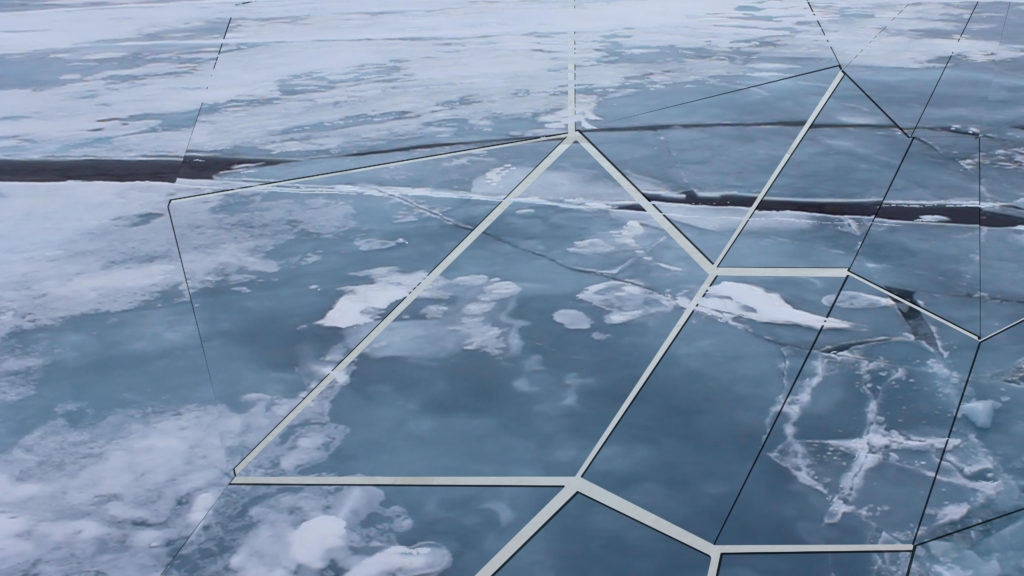
ice pack

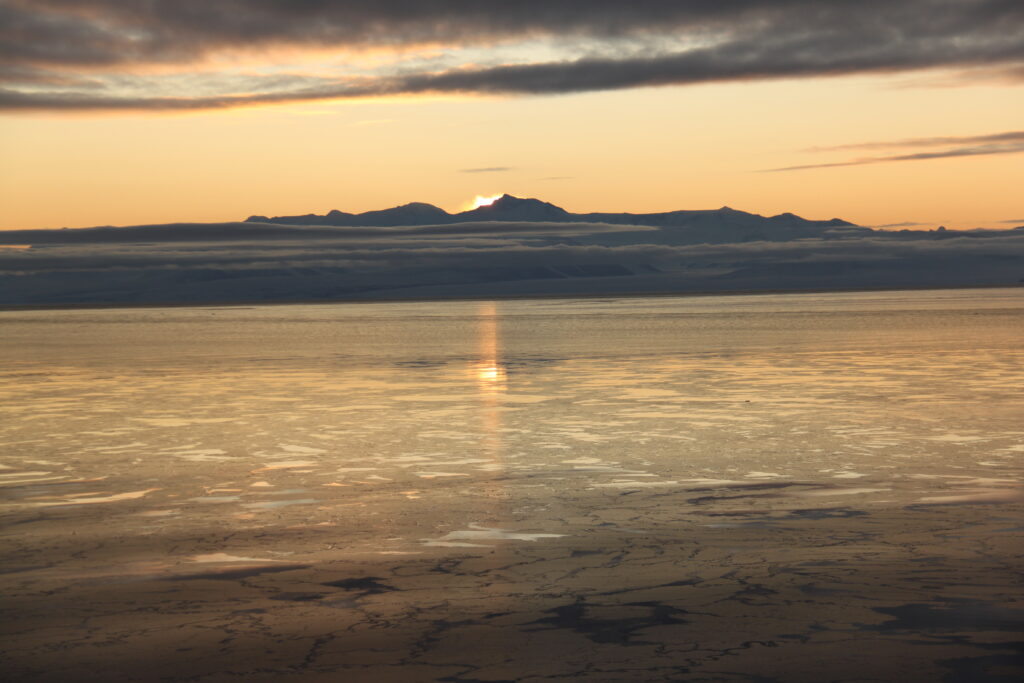
The sequence is based on real footage taken during a trip to the North Pole.

first movement: the ice floes fracture as the icebreaker passes,

second movement: the ice blocks turn over after fracturing,

third movement: with the summer melt, the white surface of the ice pack is strewn with blue or black spots,

fourth movement: gradual return to open water.


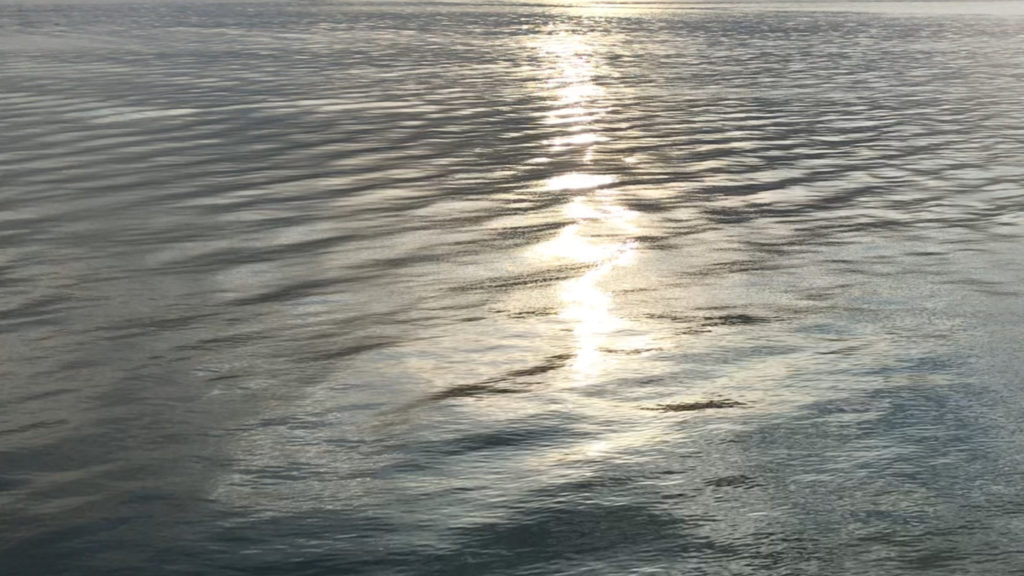
curves

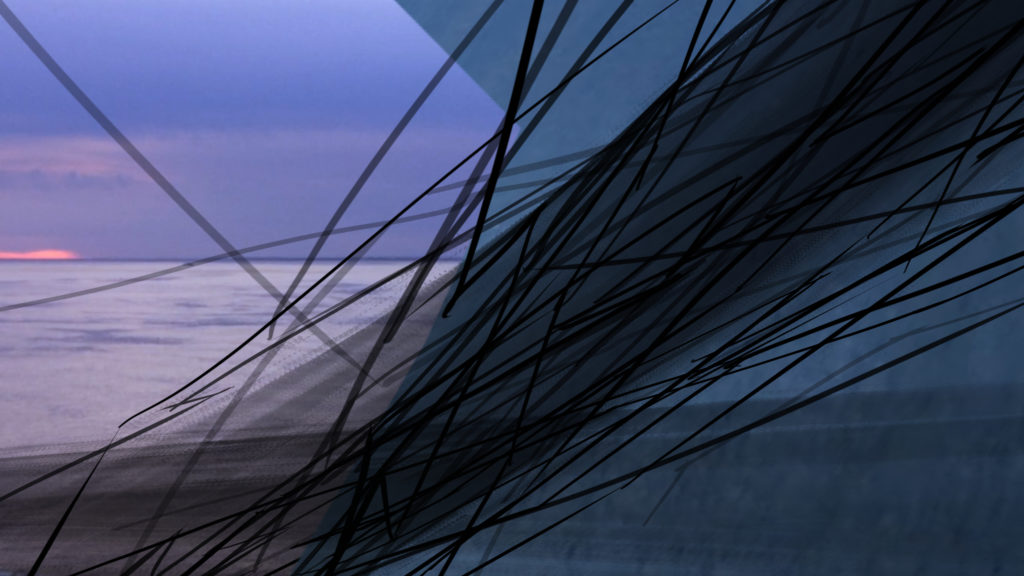
New curves are added to some of the lines used in the previous sequence. In the background, there are real shots, including a wake filmed from the back of the ship that runs continuously throughout the sequence.


lines

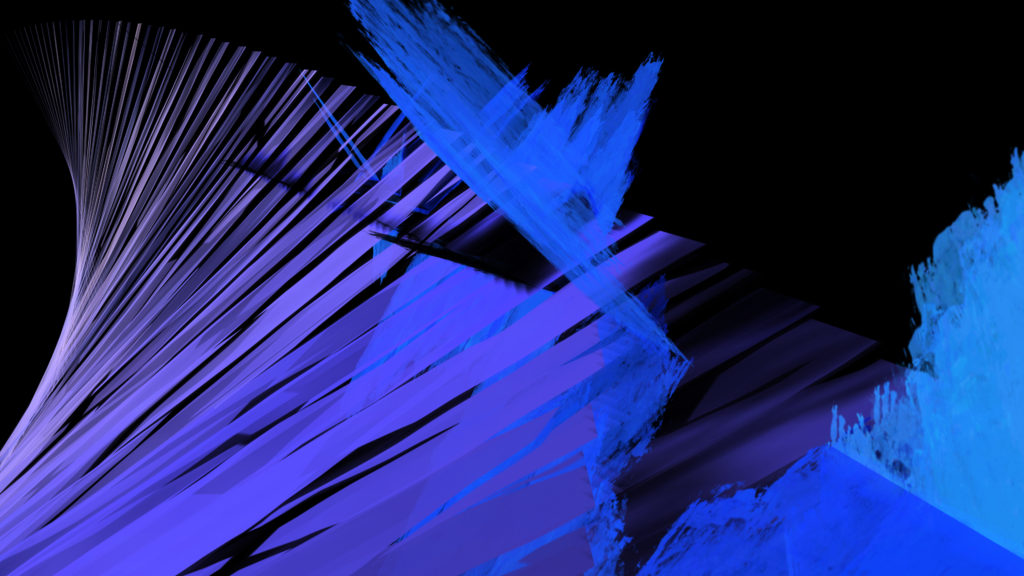
Lines of different types move and intertwine.

first movement: straight, broken or curved lines,

second movement: other types of broken or curved lines,

third movement: only the curved lines of the first and second movements remain.


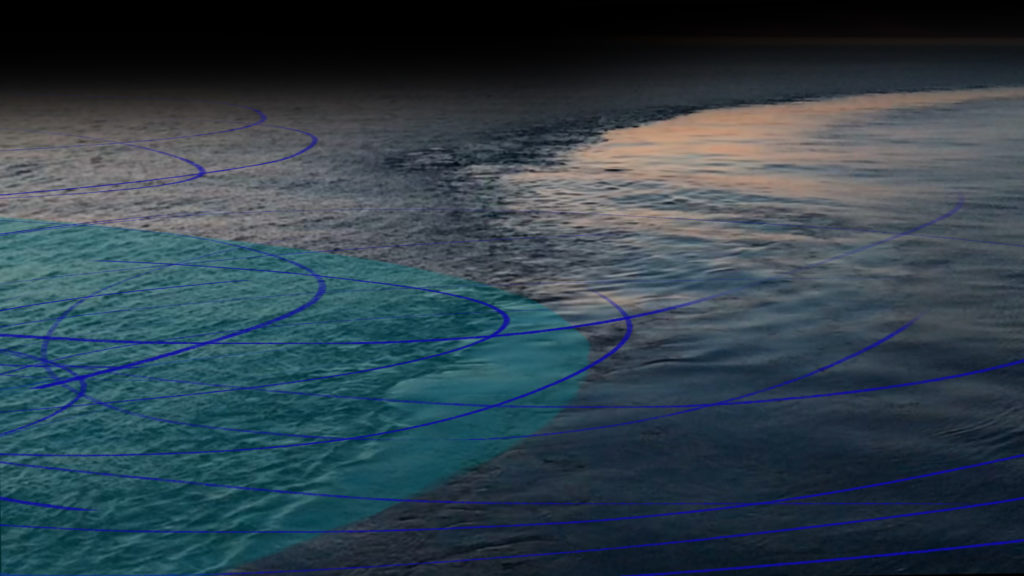
night

Digitally drawn, a large number of predominantly blue patterns. Filmed in real life, reflections of fireworks on the surface of the water or the signal lights on a runway at Charles de Gaulle airport. All of this in a night-time atmosphere.


blue sands, yellow sands

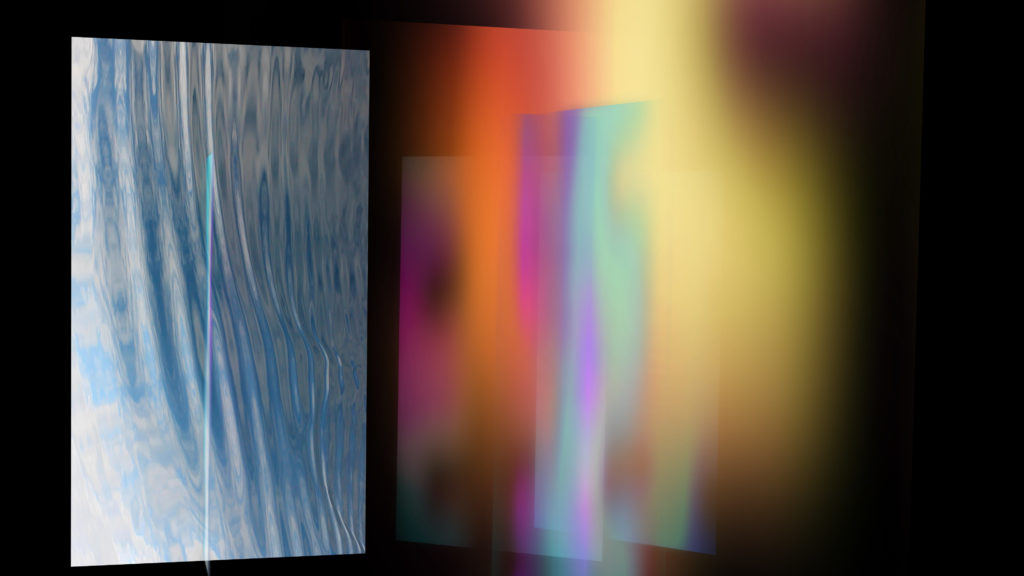
Sands that change their appearance with the dying waves, the rays of the setting sun and various geometric patterns of colour.

first movement: many blue patterns mingle above the sands,

second movement: some blue, then yellow patterns appear fleetingly,

third movement: only real shots of rather yellow sands remain.

(following a modification of the interface for loading videos on the VOD site, the black icon referring to the sequence no longer appears as was the case for the previous sequences. Please click on the thumbnail below)


three minus one

The first three minutes of the sequence involve some four hundred graphic elements extracted from twenty-three fixed digital compositions chosen from those published to date on the site. These elements, of different colours and with rather undefined contours, are placed in 3D space and grouped together independently of their original composition to form objects of various shapes, multicoloured or with a dominant grey, red, blue, yellow, green or violet colour. The different objects move in relation to each other in a kind of more or less organised chaos.

At the beginning of the fourth minute, the chaos evolves towards a certain order and the elements gradually reorganise themselves, passing from 3D objects to various 2D surfaces: first according to the six colours mentioned above; then by reconstituting the twenty-three compositions, thanks to the addition for each of them of the original background and the graphic elements not initially retained.

.


The tempo chosen for the sequence means that the transition from 'chaos' to the original compositions is rapid. The interested visitor will find below a slowed down version of the three stages composing the last minute.

Reorganisation of graphic elements according to different monochrome flat surfaces:


Redistribution of elements from monochrome surfaces to original partial compositions:


For the different compositions successively, add the missing elements and disappear from the composition:

Social media & sharing icons powered by UltimatelySocial